
Maintaining Solar-Powered Pumps for Reliable Water
Supply
Understanding the Role of Solar-Powered Pumps in South Africa
Solar-powered pumps are increasingly vital in South Africa, especially for rural water supply, irrigation, and remote construction sites. Their ability to operate independently of the grid makes them a cost-effective and environmentally friendly solution. Yet, the benefits of these systems can only be fully realised when routine maintenance is prioritised. Without regular upkeep, pumps may underperform, fail prematurely, or incur costly repairs. Maintaining them is not just about longevity—it’s about securing uninterrupted water access, which is critical in regions where water scarcity is a persistent concern.
Regular Cleaning to Prevent Clogging and Corrosion
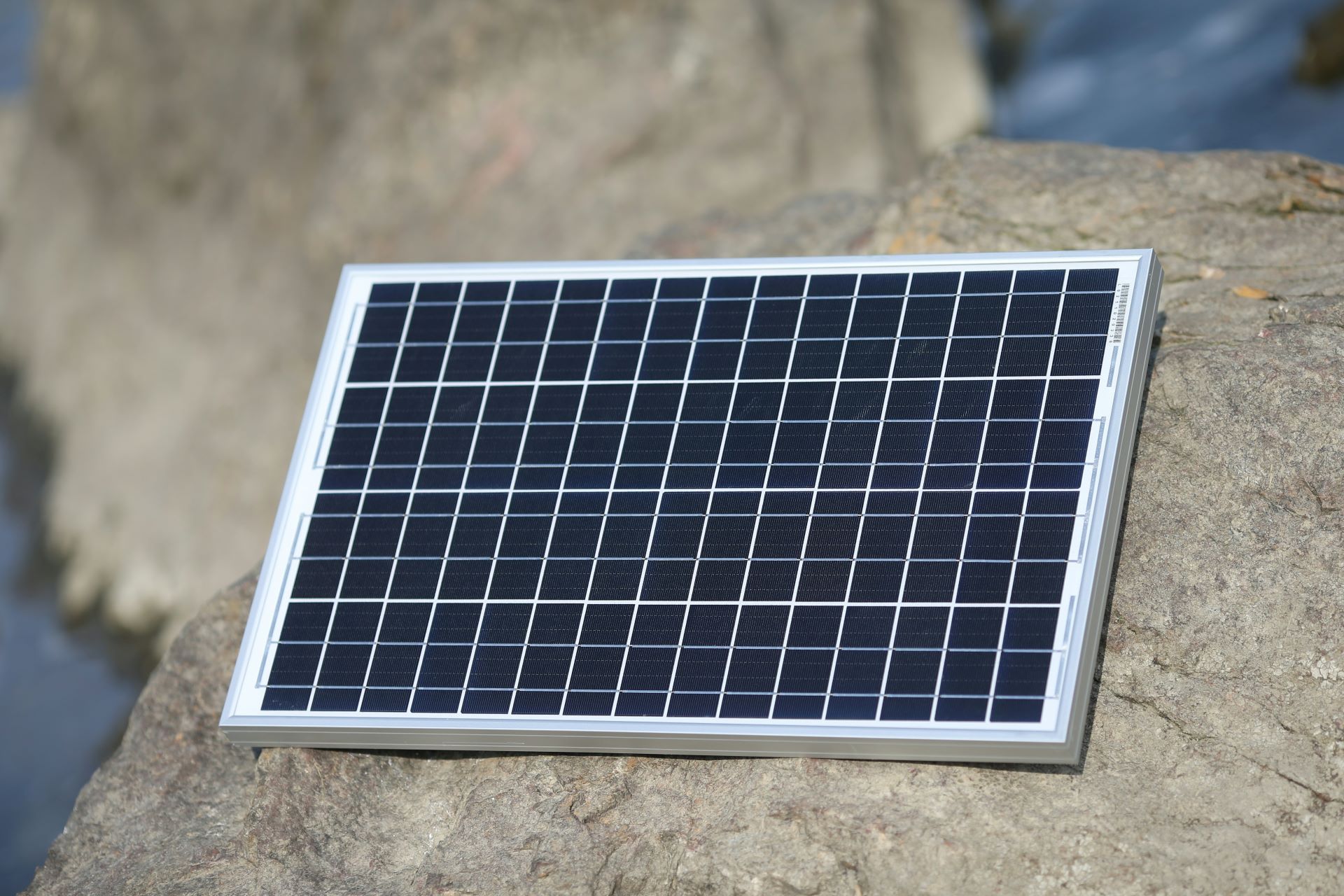
Dirt, debris, and mineral buildup can compromise a solar-powered pump’s efficiency. Routine cleaning of the pump housing, impellers, and inlet screens ensures water flows freely and reduces the risk of blockages. In areas with high sediment levels, it’s crucial to inspect filters and strainers regularly. Ignoring buildup can lead to corrosion and mechanical wear, ultimately shortening the pump’s lifespan. Cleaning should also extend to solar panels themselves. Dust, bird droppings, and seasonal pollen can diminish sunlight absorption, directly affecting the pump’s power output. A quick wash with soft brushes or low-pressure water and checking for physical damage can help sustain optimal performance.
Wiring Inspections for Safety and Efficiency
Solar-powered pumps rely on an intricate network of wires and connectors to transmit energy from panels to motors. Faulty wiring, loose connections, or corrosion can compromise both safety and efficiency. Regular inspections should focus on checking insulation integrity, ensuring terminals are tight, and confirming that connections are free from rust or oxidation. Seasonal storms or high winds may damage exposed wires, so particular attention is required after adverse weather. Ensuring electrical safety is not just a maintenance best practice—it’s a legal and insurance consideration for construction sites and rural installations.
Monitoring Seasonal Performance
South Africa’s climate variability can have a significant impact on solar-powered pumps. Seasonal changes in sunlight intensity and duration may affect water output. Monitoring pump performance throughout the year helps identify periods of reduced efficiency before they become critical issues. Keeping records of flow rates, voltage levels, and operational hours allows for early detection of wear, degradation, or inefficiencies. Adjustments such as repositioning panels, replacing worn components, or recalibrating pump settings can maintain consistent water delivery across different seasons.
Proactive Repairs and Component Replacement
Even with thorough cleaning and inspections, parts of a solar-powered pump may eventually require replacement. Impellers, seals, bearings, and controllers are common components that wear over time. Establishing a proactive replacement schedule based on manufacturer guidelines and observed wear can prevent sudden breakdowns. In South Africa, where service providers may be scarce in remote areas, having spare parts on hand and training staff to perform basic repairs is a practical safeguard. This approach minimises downtime and ensures water systems remain operational, especially during peak demand or drought periods.
Optimising Longevity Through System Integration
Integrating solar-powered pumps with smart monitoring systems or automated controls can further enhance their reliability. Remote monitoring tools allow operators to receive alerts about voltage drops, unusual flow rates, or potential mechanical failures. Combining this technology with physical maintenance routines creates a comprehensive strategy to maximise pump lifespan. Additionally, positioning panels to capture maximum sunlight, maintaining shading-free environments, and ensuring proper alignment all contribute to sustained energy efficiency.
A Commitment to Consistent Water Supply
Maintaining solar-powered pumps in South Africa is about more than mechanical upkeep—it’s about ensuring that communities, farms, and construction sites have reliable access to water. Regular cleaning, thorough wiring inspections, seasonal performance monitoring, and proactive component replacement are the pillars of an effective maintenance program. By combining these practices with smart system integration, operators can secure the full benefits of solar-powered pumps: uninterrupted water supply, energy efficiency, and long-term cost savings. In a country where water is a precious resource, diligent maintenance is both a practical and responsible choice.