
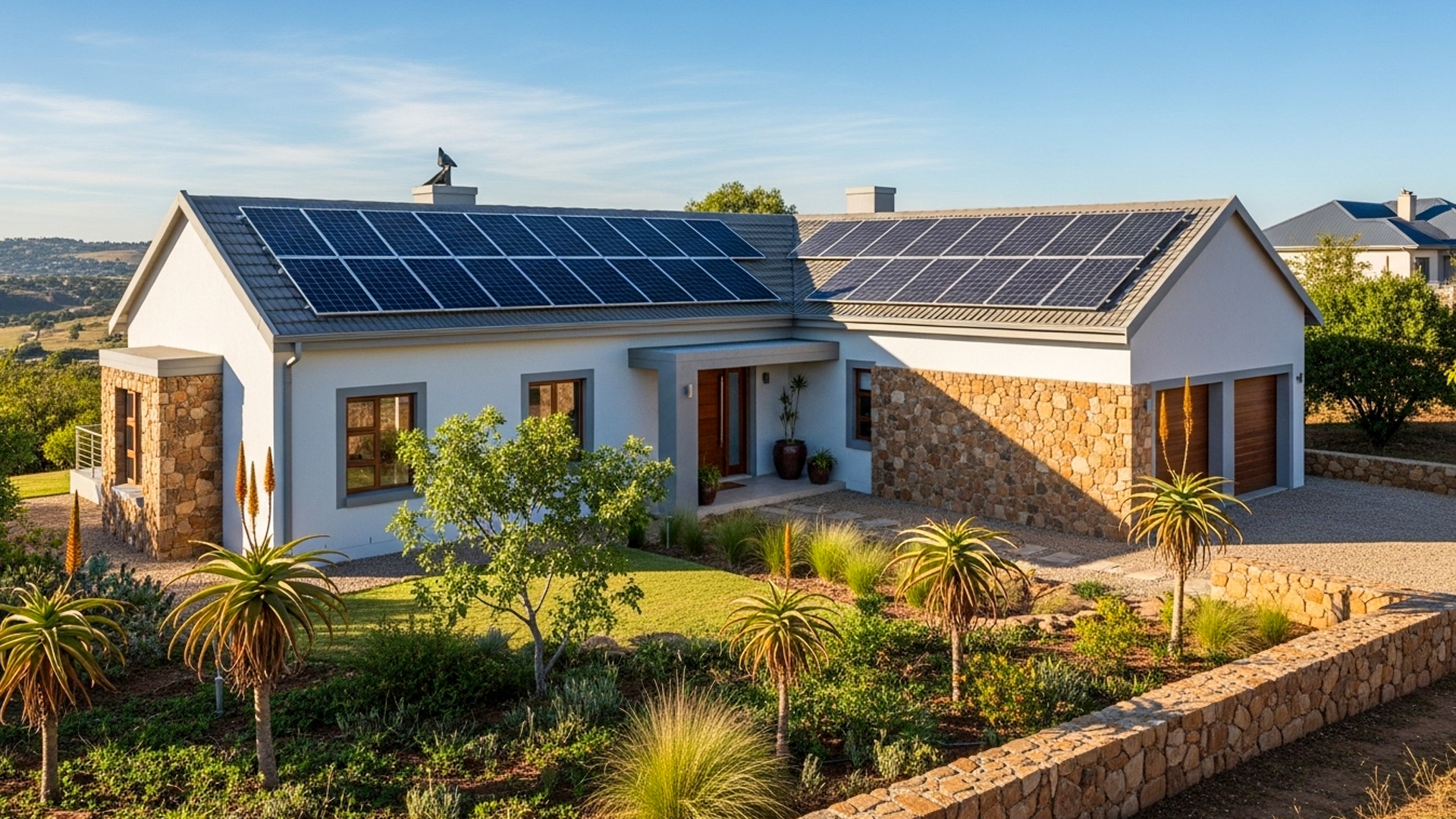
Off-Grid vs Residential Solar: Which Solution Is Right for Your
Home?
Solar Is Not One-Size-Fits-All
Residential solar has grown rapidly in South Africa, but not all systems are the same. Homeowners often need to choose between a hybrid residential system or a fully off-grid solution.
Residential (Hybrid) Solar Systems
Hybrid systems combine solar panels, batteries, and grid power. They provide backup during load shedding while still using the grid when necessary.
Benefits of Hybrid Systems
- Lower upfront cost
- Grid support during high usage
- Seamless load shedding protection
- Ideal for urban and suburban homes
Off-Grid Solar Systems
Off-grid systems operate completely independent of the national grid. They require larger battery banks and careful energy management.
Benefits of Off-Grid Systems
- Total energy independence
- No reliance on Eskom
- Ideal for farms, lodges, and remote properties
Which Is Right for You?
If you live in a city or suburb, a hybrid residential system usually offers the best balance between cost and reliability. Off-grid systems are better suited for locations with unreliable or unavailable grid connections.
Planning Is Key
Off-grid solutions require precise load planning, while residential systems focus on efficiency and backup coverage.
Final Thoughts
Both options offer powerful advantages. The right solution depends on your location, usage patterns, and long-term energy goals.
A professional assessment ensures your solar investment matches your lifestyle and delivers lasting value.